Skip to content

Slow Travel Packing List

Dec 22, 2025 6 min reading time

TL;DR - A slow travel packing list focuses on simplicity and versatility. Instead of overpacking, bring only what you need for everyday life. Packing lighter makes it easier to move, stay flexible, and enjoy long-term travel without unnecessary friction.

Slow travel changes the way you think about packing.

When you’re going somewhere for a few days, it’s easy to fall into the mindset of preparing for every possible situation. You bring extra clothes, backup options, and things you might need “just in case.” The bag fills quickly, and somehow it still feels like you’re missing something.

But when you’re traveling for weeks or months at a time, that approach doesn’t hold up.

You start to realize that carrying more doesn’t make travel easier. It makes it heavier. Every extra item becomes something you need to manage, move, and keep track of.

Over time, slow travelers begin to simplify.

Packing becomes less about covering every scenario and more about supporting everyday life. The goal shifts from being prepared for everything to being comfortable with less.

This slow travel packing list is built around that idea. It focuses on what you actually use when you’re living somewhere, not just visiting.

Loading image:

The Philosophy of Slow Travel Packing

Slow travel naturally leans toward minimalism.

The less you carry, the easier everything becomes. Moving between destinations feels lighter. Settling into a new place takes less effort. You spend less time thinking about your belongings and more time experiencing where you are.

Many long-term travelers follow a simple rule.
Pack for one week, even if you’re traveling for months.

It sounds counterintuitive at first, but it works because daily life doesn’t change that much from place to place. You still wear similar clothes, follow similar routines, and solve the same small problems.

Laundry exists almost everywhere.

Once you accept that, the need to overpack starts to disappear.

Clothing Essentials

Clothing for slow travel is less about variety and more about versatility.

You want pieces that work in different situations and can be worn repeatedly without much thought. Neutral colors tend to make this easier because everything pairs well together.

For most trips, a small rotation of lightweight shirts is enough. Around three to five is usually more than enough to cycle through a week comfortably.

For bottoms, two or three pairs tend to cover most needs. This might include a pair of lightweight travel pants, something casual for everyday wear, and a pair of shorts depending on the climate.

Layers are where you adjust based on where you’re going. One or two options are usually enough, such as a light jacket or a hoodie that can handle cooler evenings or changing weather.

Shoes are one of the easiest places to overpack. In most cases, two pairs is enough. A comfortable pair for walking and a second pair for everyday use. Some travelers also include sandals, especially in warmer climates.

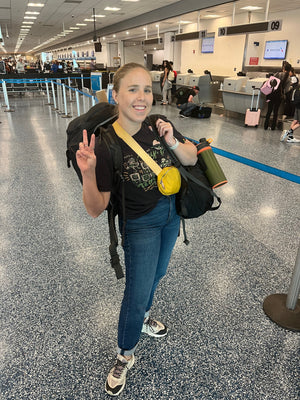
Loading image: Digital nomads travelling through Chile. Couple travel, slow travel, working remotely, vegan travel, budget travel. Flight from Santiago to Toronto, Canada through Miami. Backpackers. Digital nomads travelling through Chile. Couple travel, slow travel, working remotely, vegan travel, budget travel. Flight from Santiago to Toronto, Canada through Miami. Backpackers.

Digital Nomad Work Essentials

If you’re working remotely, your packing list expands slightly.

Your work setup becomes part of your daily life, so it needs to be reliable but still portable.

A lightweight laptop with good battery life is essential. It’s the one item you’ll use consistently, so it’s worth prioritizing.

Many travelers also bring a portable laptop stand. It’s a small addition, but it can make a noticeable difference when you’re working long hours in cafés or at kitchen tables.

A compact keyboard or mouse is optional, but helpful if you spend a lot of time working. These small additions can improve comfort without taking up much space.

Noise-canceling headphones are one of the most practical items you can pack. They make it easier to work in busy environments and create a sense of focus no matter where you are.

A universal travel adapter is another essential, especially if you’re moving between countries. It’s a small item, but it solves a problem you’ll encounter repeatedly.

Everyday Slow Travel Items

Beyond clothing and work gear, there are a few everyday items that make long-term travel easier.

A reusable water bottle becomes part of your daily routine. A small daypack or tote bag is useful for groceries, day trips, or simply carrying what you need as you explore.

A compact umbrella can be surprisingly useful, especially in places where weather changes quickly.

Laundry bags and packing cubes help keep things organized without adding much bulk. They make it easier to settle into a space and keep your belongings manageable.

Optional Comfort Items

When you’re staying somewhere longer, small comforts begin to matter more.

A journal can be a simple way to reflect on your experience. A Kindle or book makes slower moments more enjoyable. Some travelers bring a lightweight yoga mat for movement or stretching.

Items like a sleep mask can make unfamiliar environments feel more comfortable, especially if you’re adjusting to different light or noise conditions.

These items aren’t essential, but they can improve your experience in subtle ways.

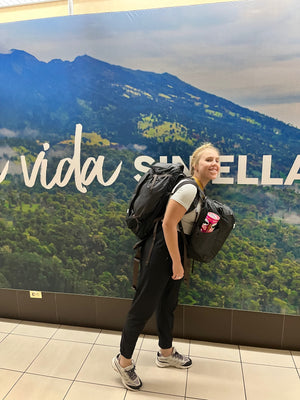
Loading image: Digital nomads backpacking through Costa Rica, Bolivia, and Chile. Slow travel, working remotely, vegan, budget travel. Digital nomads backpacking through Costa Rica, Bolivia, and Chile. Slow travel, working remotely, vegan, budget travel.

What Not to Pack

Overpacking is one of the most common mistakes new travelers make.

It usually comes from trying to prepare for every possibility. Extra clothes, bulky items, and duplicates all start to add up quickly.

In most cases, you don’t need as much as you think you do.

Large toiletries can be replaced locally. Extra shoes rarely get used. Multiple jackets often stay in your bag the entire time.

If you forget something, it’s almost always easier to buy it where you are than to carry it with you everywhere.

Sample Minimalist Packing List

A simple slow travel packing list might look something like this.

For clothing, a few shirts, a couple pairs of pants, one pair of shorts, and a light jacket are usually enough.

For shoes, one pair for walking and one additional pair for everyday use covers most situations.

Your gear might include a laptop, charger, headphones, and a travel adapter.

Personal items can stay minimal with basic toiletries, a water bottle, and a small backpack.

This kind of setup supports everyday life without adding unnecessary weight.

Packing Tips for Slow Travelers

Choosing the right bag can make a big difference. Carry-on sized luggage tends to work best because it keeps everything manageable and reduces the friction of moving between places.

Comfort should always take priority over variety. You’ll likely wear the same items repeatedly, so it’s worth choosing pieces you actually enjoy wearing.

Leaving extra space in your bag is also helpful. Over time, you’ll pick up items along the way, whether it’s something practical or something meaningful from a place you’ve visited.

Packing with intention creates flexibility.

Conclusion

Packing for slow travel is less about what you bring and more about what you choose to leave behind.

When you carry less, everything becomes simpler. Moving between destinations feels easier, settling into new places feels quicker, and your attention shifts away from your belongings and toward your surroundings.

Over time, packing becomes less of a logistical challenge and more of a reflection of how you choose to travel.

And when you simplify what you carry, it often becomes easier to experience where you are.

Related blog posts.

How to Work Remotely While Travelling Slowly

Many digital nomads begin by moving quickly between countries, but constant travel often leads to burnout. Slow travel offers a different approach, staying longer in each destination to build routines, work productively, and experience places more deeply.

How to travel slowly on short trips

Slow travel isn’t just for long trips. Even a short getaway can feel deeper and more meaningful when you slow down, explore one place, and focus on experiences instead of checklists.

How we stopped time

Our perception of time stretches when life is full of new experiences instead of routine. Our travels have shown us that we can speed up or slow down time at will without a time machine.
Back to top