Skip to content

How to plan a month of slow travel

Nov 24, 2025 9 min reading time

TL;DR - Planning a month of slow travel is about choosing one destination, staying in a local neighborhood, and creating a loose structure rather than a packed itinerary. By building routines, leaving space for spontaneity, and settling into daily life, you can experience a place more deeply and travel more intentionally.

Loading image:

Free Slow Travel Guide

💻 Travel Planner
  • Plan every trip you ever take
  • Collaborate with others
  • Budget & tracking spending
📚 20+ page Slow Travel Guide
  • Location selection tips
  • Working remotely balance
  • Budget & packing tips
  • How to live like a local

Most trips are built around a familiar question.


How much can we fit into the time we have?


It shapes everything. The number of cities, the pace of each day, the way itineraries are structured. There’s a quiet pressure to make the most of the time by doing more, seeing more, moving more.


Slow travel asks a different question.


Not how much you can see, but how deeply you can experience a place.


Spending a full month in one destination changes the way travel feels. It creates space to settle in rather than pass through. The pace softens. The experience becomes less about checking things off and more about paying attention.


A longer stay allows you to build routines, move beyond the main attractions, and begin to experience the quieter, everyday side of a place.


Planning a month of slow travel isn’t complicated, but it does require a different approach.

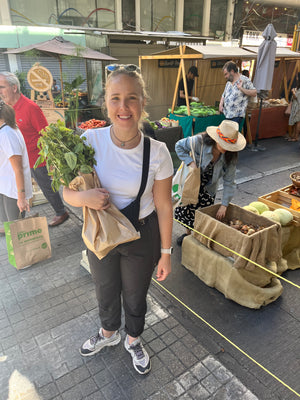
Loading image: Digital nomads travelling the world in Santiago Chile. Working remotely, slow travel, vegan travel, and budget travel. Visiting local market for fresh produce and vegetables, home cooked meal. Digital nomads travelling the world in Santiago Chile. Working remotely, slow travel, vegan travel, and budget travel. Visiting local market for fresh produce and vegetables, home cooked meal.

Step 1: Choose the Right Destination


Not every destination lends itself well to slow travel.


The places that work best tend to be walkable, affordable, and rich in everyday life. You want somewhere that feels easy to navigate without needing constant transportation, and somewhere that has enough depth to explore over time.


Cities with strong local culture and reliable public transport tend to offer the best experience. Places like Valencia, Lisbon, Florence, Kyoto, or Budapest all have a balance of livability and exploration.


What matters most is that the destination supports daily life. You should be able to buy groceries easily, walk to cafés, and move through the city without effort.


If getting around feels complicated, the experience often becomes more logistical than immersive.

Step 2: Choose the Right Neighborhood


Where you stay within a city often matters more than the city itself.


Tourist areas can feel convenient at first, but they rarely reflect how a place actually lives. For a longer stay, it’s usually better to choose a neighborhood where locals spend their time.


Look for areas with small cafés, bakeries, local markets, and green spaces. These details shape your daily experience more than any major attraction.


A good neighborhood gives you something simple but important.


It gives you a rhythm.

Loading image:

Step 3: Book Accommodation for the Entire Month


One of the biggest shifts in slow travel is committing to a longer stay.


Booking accommodation for the full month removes the constant need to plan your next move. It creates stability and allows you to settle in without thinking about where you’ll go next.


Monthly rentals also tend to reduce costs. Many places offer significant discounts for longer stays, especially through platforms like Airbnb or local rental listings.


More than anything, having a consistent space changes how you experience travel. It becomes less temporary. You unpack, organize your things, and begin to treat the space as your own.


That small shift makes a difference.

Step 4: Plan a Loose Structure for the Month


Planning a month of travel doesn’t mean filling every day.


In fact, it works better when you don’t.


Instead of creating a detailed itinerary, it helps to think of the month in phases. This gives you a sense of direction without removing flexibility.


The first week can be about orientation. You explore your neighborhood, find grocery stores, locate cafés, and get comfortable moving around.


The second week is often when you begin to explore more intentionally. Museums, local spots, and the streets that don’t show up in guidebooks start to come into focus.


By the third week, you might feel ready to take a few day trips. Nearby towns, nature, or regional highlights become easier to explore once you feel grounded in your base.


The final week tends to slow down again. You revisit places you enjoyed, settle into your routines, and allow the experience to feel more natural and unstructured.


This kind of loose structure creates balance without pressure.

Step 5: Build Daily Routines


One of the most noticeable differences with slow travel is the presence of routine.


It doesn’t need to be rigid or scheduled. In fact, it often develops naturally.


You might start your mornings with a walk through the same streets. You find a café you return to without thinking. You begin to recognize faces, even if you never speak.


These small, repeated actions create a sense of familiarity.


And over time, that familiarity turns a place into something that feels less like a destination and more like a temporary home.

Loading image:

Step 6: Leave Space for Spontaneity


The most memorable parts of travel are often the ones you didn’t plan.


A street you wander down without intention. A conversation that happens unexpectedly. A place you discover simply because you had time to notice it.


If your schedule is too full, there’s no room for those moments.


Leaving space in your days allows curiosity to guide you. It creates opportunities for experiences that don’t fit neatly into an itinerary.


This is where slow travel begins to feel different.

Sample 1-Month Slow Travel Itinerary


If you’re trying to visualize how a month might unfold, it often looks simpler than expected.


In a city like Florence, your first week might be spent walking your neighborhood and getting familiar with daily life. The second week could include museums, galleries, and cultural sites. The third week might open up to day trips to places like Siena or Pisa. By the final week, your focus shifts back inward, slower mornings, familiar restaurants, and walks through places you’ve already come to know.


It’s not about doing more.


It’s about giving each experience enough time to feel complete.

Conclusion


Planning a month of slow travel is less about creating a perfect plan and more about creating space.


When you stay longer in one place, the experience changes. Travel becomes less structured, less rushed, and more personal. You begin to notice things you would have otherwise missed.


Over time, the focus shifts away from what you’ve seen and toward how the experience felt.


And that’s often what stays with you long after you’ve left.

Related blog posts.

How to Work Remotely While Travelling Slowly

Many digital nomads begin by moving quickly between countries, but constant travel often leads to burnout. Slow travel offers a different approach, staying longer in each destination to build routines, work productively, and experience places more deeply.

How to travel slowly on short trips

Slow travel isn’t just for long trips. Even a short getaway can feel deeper and more meaningful when you slow down, explore one place, and focus on experiences instead of checklists.

How we stopped time

Our perception of time stretches when life is full of new experiences instead of routine. Our travels have shown us that we can speed up or slow down time at will without a time machine.
Back to top